
Which Outdoor Spaces Need an Adjustable Backrest on a Sun Lounger
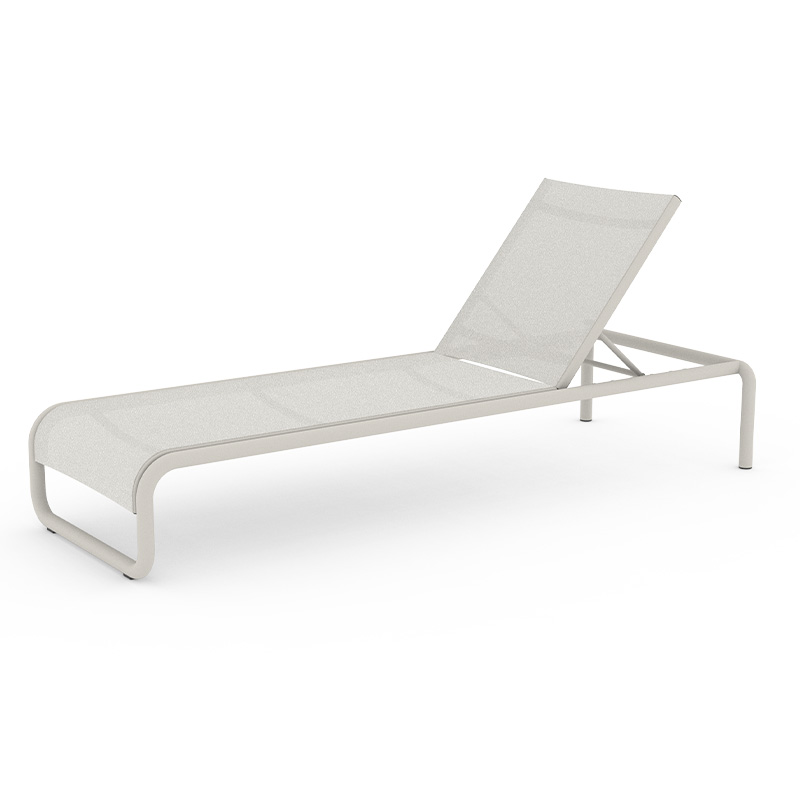
The right reclining sun lounger is not a single-purpose chair — it is one piece of furniture that adapts to several outdoor settings. By the pool, gue sts want the backrest lowered flat for sunbathing; in a garden, they want to sit upright with a book; in a resort, the same lounger might support a guest dozing through the afternoon and another leaning back with a phone in the evening. Whether the backrest adjusts at all, and how many positions it offers, decides whether the lounger stays locked into one role or moves with the space. The sun lounger collection is built around exactly this idea, so getting the scenario right before choosing a model makes the rest of the decision much easier.
Start by understanding what an adjustable backrest actually adjusts
An adjustable backrest is not one feature; it is a range of seating angles that changes what the lounger can do. The simplest models offer two or three fixed stops, while more flexible designs provide five positions or a stepless mechanism that locks at almost any angle. Those positions map to three basic uses: fully reclined for sunbathing, partially reclined for relaxed reading or resting, and upright for sitting and conversation. The adjustment mechanism matters as much as the number of positions, because it is the part that sees repeated movement every day. A well-built mechanism locks firmly and releases without effort, while a weak one loosens over time and leaves the backrest sagging in a position the guest did not choose.
For commercial projects, this is also where standards become relevant. Loungers specified for hotels and resorts should be built to BIFMA, EN581, or ASTM references, because the reclining mechanism and the load-bearing backrest are tested for repeated use and stability in a way that a catalog photo never shows. Confirming the standard up front is more reliable than guessing from price.
The table below shows how the required positions change from one setting to another.
|
Setting |
Positions most used |
What matters most |
|
Poolside |
Fully flat, slightly raised |
UV-resistant fabric, quick-dry surface |
|
Resort or hotel |
Multiple stops across the range |
Durable mechanism, stable locking |
|
Garden or balcony |
Upright and semi-reclined |
Backrest height, armrests, compact footprint |
|
Coastal or high-chlorine pool |
Flat position dominant |
Powder-coated aluminum frame, salt resistance |
Poolside is where the lounger spends most of the day lying flat
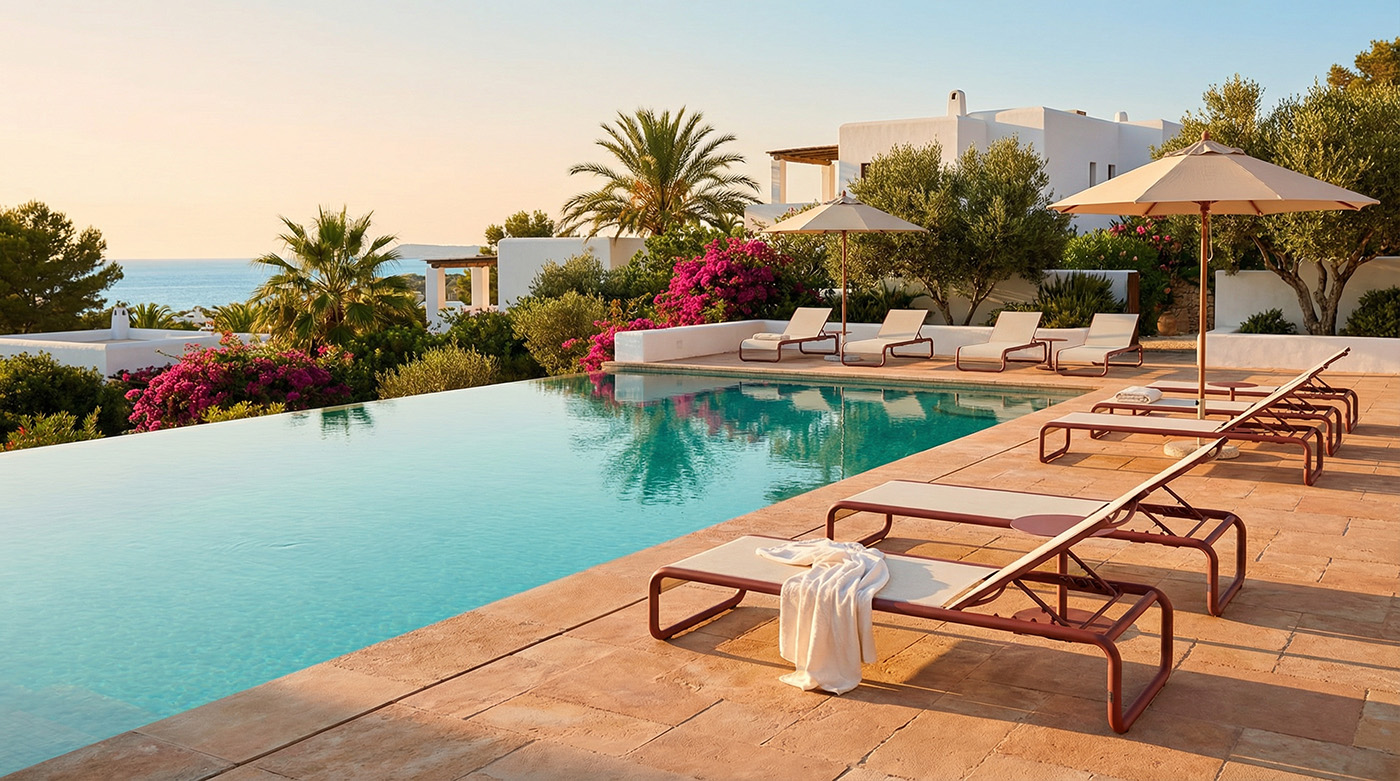
The pool is the most demanding setting for a sun lounger, and the flat position dominates. Guests lie back to sunbathe, which means the backrest, the seat, and the fabric all take direct, continuous sun for hours at a time. The adjustment still earns its place here: a guest who wants to read or use a phone raises the backrest one or two stops, and that small change is what keeps the same lounger useful across the whole afternoon.
Two models fit this setting particularly well. The Tuscana Sun sun lounger pairs a relaxed reclining angle with a breathable, quick-drying Textilene surface and a warm powder-coated finish, which makes it feel less utilitarian than the typical poolside lounger while staying easy to rinse down after contact with chlorine or salt water. The Orion sun lounger adds an integrated side table, so guests have somewhere to set a drink or phone without leaving the lounger — a small detail that reduces clutter and keeps the deck tidy.
Resorts and hotels need one lounger to serve guests with different habits
In a commercial setting, a single pool deck can host guests with completely different preferences in the same hour. One wants to lie flat, another wants to sit up with a drink, and a third wants something in between. A fixed-back lounger forces the property to stock several types of seating and assign staff to manage them; an adjustable-backrest lounger covers that range with one product. This is the practical argument for the feature in hospitality: fewer product lines, simpler purchasing, and seating that adapts without staff intervention.
The Eraseri sun lounger is specified for exactly this situation. It combines a full aluminum frame, breathable Textilene fabric, and multiple reclining positions in a clean, weather-resistant design that suits resorts, hotels, and private villas alike. The Orion is equally versatile, with secure backrest adjustment and a lightweight aluminum build that staff can reposition across poolsides, terraces, and gardens without extra equipment. Both are customizable in size, color, material, logo, and fabric, which is useful when a property wants every lounger to match its brand rather than look like stock furniture.
Gardens and balconies need a position for reading and a position for napping
Residential and small-space settings use the adjustable backrest differently. In a garden or on a balcony, the lounger is rarely left flat all day; it alternates between an upright position for reading and a semi-reclined position for a nap. The two most-used stops matter more than the total count, so a three-position mechanism is usually sufficient. What deserves more attention in these spaces is proportion: the backrest should be high enough to support the neck when upright, the armrests should be low enough not to interfere with a book, and the footprint should stay compact so the lounger fits a balcony without crowding it. The Eraseri sun lounger suits this well — its clean, modern silhouette and optional side table work in smaller contemporary settings, and the same breathable Textilene and powder-coated aluminum construction holds up outdoors just as well at home as it does at a resort.
Check these details before you specify the loungers
Once the scenario is clear, the purchase decision comes down to a few verifiable points. First, confirm how many positions the mechanism offers and whether they cover the flat, semi-reclined, and upright range the space actually needs. Second, examine the adjustment mechanism itself — metal locking parts generally outlast plastic ones under daily use, and the lock should hold the backrest firmly without slipping. Third, check the load rating of the backrest, since it carries the upper body in every position and is the first point of failure on cheaper models. For commercial projects, re-confirm the BIFMA, EN581, or ASTM reference and ask to see the test documentation rather than relying on a claim in the listing.
Custom specifications are also worth confirming early. The customization service covers position count, size, color, material, logo, and fabric, which lets a single lounger design be adapted across a full resort rather than bought model by model.